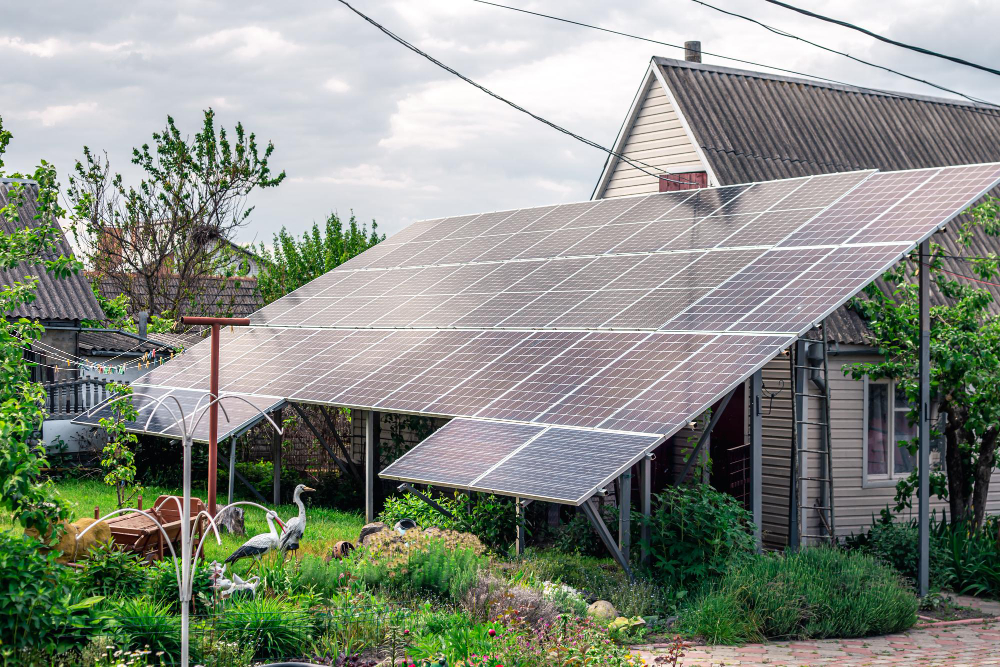
Do Government Subsidy Solar Panels Offer Better ROI Than Non-Subsidy Systems?
If you’ve been searching for ways to cut down your electricity bills, you’ve surely come across the term government subsidy solar panels. They sound attractive — cost-saving, eco-friendly, and financially smart. But the real question many homeowners and businesses ask is: Do subsidy-based systems actually deliver better ROI compared to non-subsidy systems?
Let’s break this down in a simple, practical, and trending way.
The Rising Demand for Solar Energy in India
Solar adoption in India is exploding, especially in states like Chhattisgarh, Maharashtra, Gujarat, and Karnataka. With growing electricity costs and improved solar technology, more people want long-term savings — and solar offers exactly that.
How Government Subsidy Solar Panels Work
Government subsidy solar panels reduce your upfront investment through financial support from national and state-level programs. The current PM Surya Ghar Yojana provides attractive incentives for residential consumers. Lower initial cost means faster breakeven — making subsidies an appealing choice for many households.
Understanding ROI: Subsidy vs. Non-Subsidy Systems
ROI (Return on Investment) in solar depends on factors like system size, sunlight hours, electricity cost, and installation quality. Subsidy-based systems have an advantage because your initial investment drops. However, non-subsidy systems sometimes deliver higher ROI due to greater freedom of choosing premium brands, faster installation, and flexible customization.
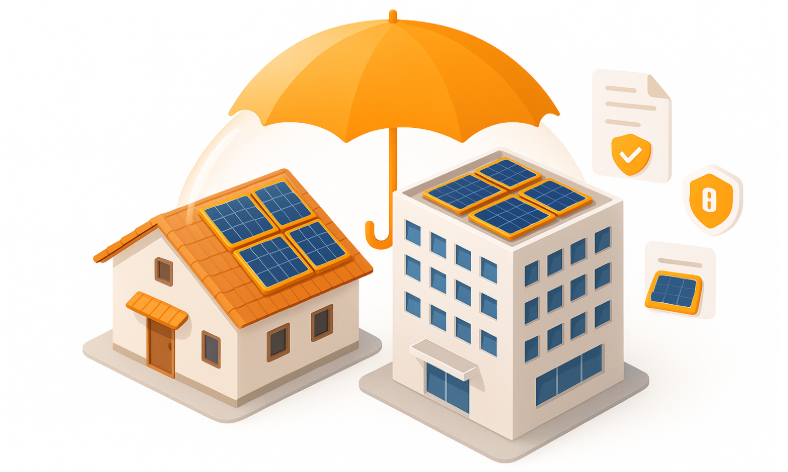
The Role of Solar Plant Insurance in ROI
Whether you install a subsidy or non-subsidy system, solar plant insurance is a vital factor that influences long-term ROI. It protects your investment from natural disasters, accidental damage, fire, theft, and short circuits. Since solar systems last 25 years, having solar plant insurance ensures financial safety and reduces unexpected repair costs — directly improving lifetime returns.
Subsidized Solar Systems: Benefits Beyond Lower Cost
1. Reduced Upfront Investment
Subsidies can drastically cut installation costs, especially for residential consumers using standard on-grid systems.
2. Faster Payback Period
Because your initial cost is already lower, most users recover their investment 1–2 years earlier.
3. Increased Affordability for Middle-Class Families
The subsidy makes solar accessible to families who otherwise couldn’t afford a system.
Non-Subsidized Systems: Why Some People Still Prefer Them
While subsidies are beneficial, non-subsidy systems also offer advantages worth considering.
1. Wider Choice of Premium Panels
You can select high-efficiency panels like monocrystalline, bi-facial, or N-Type modules without government restrictions.
2. Faster Installation Timeline
Subsidy approvals and portal procedures can sometimes delay projects by weeks.
3. Ideal for Commercial & Industrial Projects
Businesses often prefer non-subsidized systems for large-scale customization, tax benefits, and freedom in choosing components.
Where ROI Truly Becomes Different
ROI isn’t just about installing solar — it’s about who installs it.
Clients who choose experienced companies like urjacon often gain better returns due to proper load analysis, high-quality installation, transparent pricing, and lifetime support. In poorly installed systems, output drops over time, reducing ROI drastically.
Cost Comparison: Subsidy vs Non-Subsidy
1. Residential Solar
- Subsidized 3kW system: Lower upfront cost, earlier payback
- Non-subsidized 3kW system: Slightly higher cost but higher efficiency choices
2. Industrial Solar
No subsidies — but ROI is high due to tax depreciation, commercial tariffs, and optimized design.
3. Maintenance Costs
Both systems require AMC services, which also impact long-term returns.
Which System Gives Better ROI? (The Real Answer)
The short answer: Both can deliver excellent ROI, but it depends on your category.
Subsidized Systems → Best ROI for Homes
Affordable
Low initial cost
Quick breakeven
High bill savings
Non-Subsidy Systems → Best ROI for Businesses
Customizable
High efficiency
Tax advantages
Better long-term performance
In both cases, quality installation decides your actual returns.

Why Choosing the Right Installer Matters
High-quality installation reduces power loss, increases panel efficiency, and ensures longevity. This is why many customers throughout Chhattisgarh trust urjacon for residential, commercial, and industrial solar projects. Their expertise ensures your system performs at peak efficiency for years.
Final Verdict: Yes, Subsidy Panels Offer Better ROI for Homes
After comparing costs, performance, and lifetime benefits, government subsidy solar panels do deliver better ROI for homeowners. For businesses, non-subsidy systems remain the best choice due to flexibility and scale.
Why You Should Choose Urjacon Infratech Pvt Ltd
When it comes to installation, maintenance, and insurance assistance, Urjacon Infratech Pvt Ltd offers end-to-end solar solutions across Chhattisgarh. Their experienced team ensures maximum power generation, transparent pricing, and long-term support — making your investment safe and profitable.