Residential Solar Installation: Complete Guide for Homeowners
Residential Solar Installation: A Complete Guide to Saving Money with Clean Energy
As electricity prices continue to rise and homeowners seek sustainable energy solutions, residential solar installation has become one of the smartest long-term investments. A rooftop solar system not only reduces electricity bills but also increases property value while contributing to a cleaner environment.
Thanks to government initiatives like the PM Surya Ghar Muft Bijli Yojana, installing a residential solar system is now more affordable than ever. Whether you are building a new home or upgrading your existing one, investing in home solar installation can provide reliable electricity for more than 25 years.
This comprehensive guide explains everything homeowners need to know about residential solar installation, including benefits, costs, government subsidies, installation steps, and choosing the right solar company.
What is Residential Solar Installation?
Residential solar installation refers to the process of installing solar panels on the rooftop of a house to generate electricity from sunlight. The electricity produced can power household appliances, reducing dependence on the electricity grid.
A complete residential solar panel installation generally includes:
- Solar PV panels
- Solar inverter
- Mounting structure
- DC and AC wiring
- Safety equipment
- Net meter
- Monitoring system
Together, these components convert sunlight into usable electricity for your home.
Why Homeowners Are Choosing Residential Solar Installation
Thousands of homeowners across India are switching to rooftop solar installation for homes because of the financial and environmental advantages.
Major benefits include:
Lower Electricity Bills
One of the biggest reasons people invest in residential solar systems is to significantly reduce monthly electricity expenses. Depending on the system size and energy consumption, homeowners can reduce electricity bills by up to 90–95%.
Government Subsidy Benefits
Under the PM Surya Ghar Muft Bijli Yojana, eligible homeowners receive financial assistance that lowers the cost of residential solar installation.
Professional solar installation companies help customers with:
- Subsidy application
- Documentation
- Inspection
- Net metering
- Government approvals
Energy Independence
Generating your own electricity means reduced dependence on rising electricity tariffs and unexpected power shortages.
Environment-Friendly Energy
Solar power produces clean electricity without emitting harmful greenhouse gases, helping reduce your carbon footprint.
Increase Property Value
Homes equipped with modern residential solar panel installation systems often have higher resale value because buyers appreciate lower operating costs.
How Does a Residential Solar System Work?
A residential solar system follows a simple process:
Step 1
Solar panels absorb sunlight.
Step 2
The inverter converts DC electricity into AC electricity.
Step 3
Your home uses the generated electricity.
Step 4
Any excess electricity is exported to the grid through net metering.
Step 5
During nighttime or cloudy weather, electricity is imported from the utility grid if required.
Types of Residential Solar Systems
Grid-Tied Solar System
The most popular option for homeowners.
Advantages:
- Lower installation cost
- Net metering benefits
- Minimal maintenance
Hybrid Solar System
Combines solar panels with battery storage.
Ideal for:
- Areas with frequent power cuts
- Backup power requirements
Off-Grid Solar System
Designed for remote locations without electricity grid connectivity.
Includes battery storage for continuous power supply.
Residential Solar Installation Process
A professional solar installation company follows a structured approach.
Site Survey
Experts inspect:
- Roof condition
- Roof orientation
- Shadow analysis
- Available installation space
System Design
Engineers calculate:
- Daily electricity consumption
- Required system size
- Solar generation capacity
Quotation
Customers receive a detailed proposal including:
- Equipment specifications
- Installation cost
- Expected savings
- Payback period
Installation
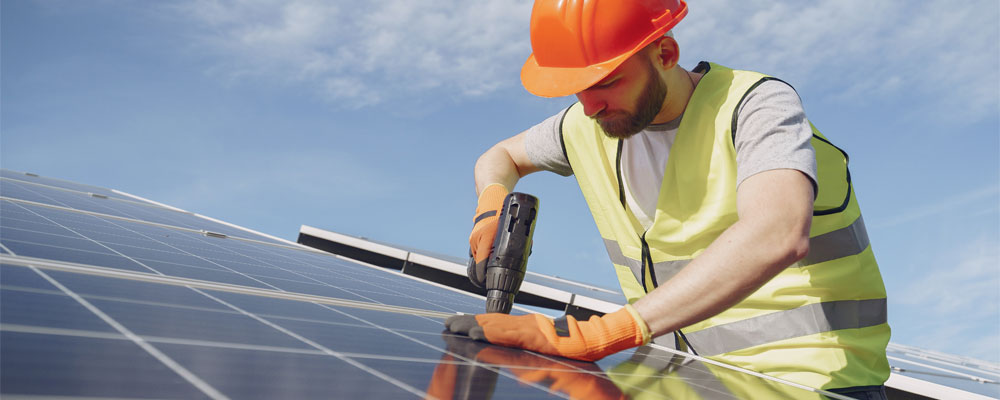
Certified technicians install:
- Solar panels
- Mounting structures
- Inverter
- Electrical connections
- Safety equipment
Testing & Commissioning
The system undergoes quality testing before activation.
Net Metering
The solar company coordinates with the electricity department to complete net metering approvals.
Factors Affecting Residential Solar Installation Cost
Several factors influence the overall investment:
- System capacity
- Type of solar panels
- Inverter quality
- Roof structure
- Installation complexity
- Government subsidy eligibility
- Additional battery backup
Although the upfront investment varies, homeowners typically recover the cost within a few years through electricity savings.
Government Subsidy for Residential Solar Installation
The Government of India actively promotes home solar installation through subsidy programs.
Benefits include:
- Reduced installation cost
- Faster return on investment
- Easy online application
- Long-term financial savings
Experienced solar installation companies assist customers throughout the subsidy process.
Maintenance of Residential Solar Systems
One of the biggest advantages of residential solar installation is its low maintenance requirements.
Recommended maintenance includes:
- Cleaning panels every few weeks
- Periodic inspection of wiring
- Inverter health checks
- Performance monitoring
Professional Annual Maintenance Contracts (AMC) ensure optimal performance throughout the system’s lifespan.
Why Choose UrjaCon for Residential Solar Installation?
UrjaCon Infratech Pvt. Ltd. is a trusted residential solar installation company serving homeowners across Chhattisgarh and Odisha.
Our services include:
- Residential rooftop solar installation
- Customized solar system design
- High-efficiency solar panels
- Government subsidy assistance
- Net metering support
- Professional installation
- Annual Maintenance Contracts (AMC)
- After-sales service and monitoring
With experienced engineers and certified technicians, UrjaCon delivers reliable and efficient solar solutions tailored to every home’s energy requirements.
Tips Before Installing Residential Solar Panels
Before investing in residential solar panel installation, consider the following:
- Assess your monthly electricity consumption.
- Ensure your roof receives adequate sunlight.
- Choose MNRE-approved products.
- Select an experienced solar installation company.
- Understand available government subsidies.
- Review warranties for panels and inverters.
- Ask about maintenance and support services.
Conclusion
Investing in residential solar installation is one of the smartest decisions homeowners can make for long-term financial savings and environmental sustainability. A professionally installed residential solar system reduces electricity bills, increases energy independence, enhances property value, and supports India’s transition toward clean energy.
By partnering with an experienced solar installation company like UrjaCon Infratech Pvt. Ltd., homeowners receive expert consultation, premium-quality equipment, government subsidy assistance, seamless installation, and dependable after-sales support.
If you’re planning to switch to solar, now is the ideal time to invest in a residential solar panel installation that will provide reliable, renewable energy for decades to come.
Frequently Asked Questions
How much can I save with residential solar installation?
Most homeowners can reduce electricity bills by 70% to 95%, depending on system size and energy usage.
How long do residential solar panels last?
Quality solar panels generally last 25–30 years with proper maintenance.
Is government subsidy available?
Yes. Eligible residential consumers can receive subsidies under the PM Surya Ghar Muft Bijli Yojana.
How long does residential solar installation take?
Most residential rooftop solar installations are completed within 2–7 days, depending on system size.
Does UrjaCon provide maintenance services?
Yes. UrjaCon offers Annual Maintenance Contracts (AMC), system monitoring, inspections, and technical support to ensure long-term performance.