Hybrid Solar Energy System: Complete Guide
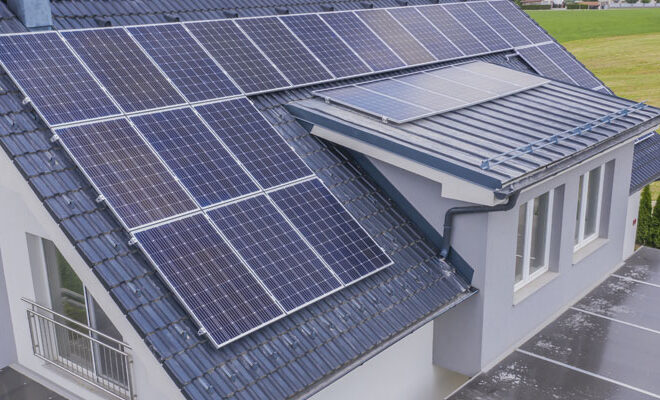
A hybrid solar energy system combines solar panels, batteries, and the electricity grid to provide reliable and efficient power. Unlike a traditional on grid solar system, a hybrid system can store excess solar electricity in batteries and use it when solar generation is low or during a power outage.
For homeowners and businesses looking for greater energy independence, better electricity savings, and backup power, a hybrid solar energy system can be an effective solution.
What Is a Hybrid Solar Energy System?
A hybrid solar energy system is a solar power setup that typically includes:
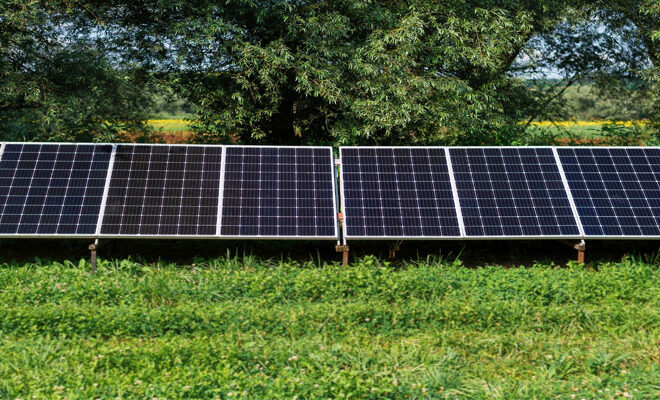
- Solar panels
- Hybrid solar inverter
- Battery storage
- Electricity grid connection
- Solar monitoring system
During the day, solar panels generate electricity for your home or business. Any excess electricity can be stored in the battery instead of being wasted. When solar production decreases, the stored energy can be used to power electrical appliances.
The exact energy flow depends on the system configuration, battery capacity, electricity consumption, and available sunlight.
How Does a Hybrid Solar Energy System Work?
A hybrid solar system generally operates in several stages.
1. Solar Panels Generate Electricity
Solar panels convert sunlight into DC electricity. The hybrid inverter then converts this electricity into usable AC power for household or commercial appliances.
2. Solar Power Runs Your Appliances
The generated solar electricity is first used to meet the immediate electricity demand of the property.
3. Excess Energy Charges the Battery
When solar production is higher than current consumption, the surplus electricity can charge the battery.
4. Battery Provides Power When Required
When solar generation is insufficient, the system can draw electricity from the battery.
5. Grid Supports Additional Demand
If both solar generation and battery power are insufficient, electricity can be taken from the grid.
Key Benefits of a Hybrid Solar Energy System
Reduced Electricity Bills
A hybrid solar energy system can reduce dependence on grid electricity by allowing you to use solar-generated power during the day and stored energy when required.
Battery Backup
One of the major advantages of a hybrid solar system is battery backup. Depending on the system configuration, selected appliances can continue operating during a power outage.
Better Use of Solar Energy
Instead of exporting or wasting excess solar generation, the system can store surplus electricity for later use.
Greater Energy Independence
Using solar power together with battery storage can reduce dependence on conventional grid electricity.
Environment Friendly
Solar energy is a clean and renewable source of electricity. Increasing the use of solar power can help reduce dependence on conventional energy sources.
Suitable for Different Applications
Hybrid solar systems can be designed for:
- Residential homes
- Villas and apartments
- Shops and offices
- Commercial buildings
- Small industries
- Schools and institutions
- Rural properties
Hybrid vs On Grid Solar System
An on grid solar system generally works together with the electricity grid and is designed primarily to reduce electricity costs through solar generation.
A hybrid solar energy system adds battery storage, providing greater flexibility and backup capability.
| Feature | On Grid Solar | Hybrid Solar |
|---|---|---|
| Solar panels | Yes | Yes |
| Grid connection | Yes | Yes |
| Battery storage | Usually no | Yes |
| Backup capability | Generally limited during grid outages | Yes, depending on configuration |
| Energy storage | No | Yes |
| Energy independence | Moderate | Higher |
Is a Hybrid Solar System Suitable for Your Home?
A hybrid solar energy system can be a good option if you:
- Experience frequent power cuts
- Want battery backup
- Want to reduce grid electricity consumption
- Have sufficient rooftop space
- Want to increase your use of solar electricity
- Prefer greater energy independence
Before installation, an installer should evaluate your electricity consumption, roof condition, available sunlight, backup requirements, and budget.
Hybrid Solar Systems for Businesses
Businesses often require reliable electricity for computers, lighting, equipment, refrigeration, networking systems, and other operations.
A properly designed hybrid solar system can help businesses reduce their dependence on grid electricity while providing backup power for selected loads.
Commercial applications can include:
- Offices
- Retail stores
- Restaurants
- Warehouses
- Clinics
- Educational institutions
- Manufacturing facilities
Choosing the Right Hybrid Solar System
The right system depends on several factors:
Solar Capacity
Your solar panel capacity should be selected according to electricity consumption, available rooftop space, and expected solar generation.
Battery Capacity
Battery size should be based on how much backup power you need and for how long.
Inverter Capacity
The inverter must be capable of handling the required electrical load and should be compatible with the solar panels and battery.
Quality of Components
Using reliable solar panels, inverters, mounting structures, batteries, and protection equipment can improve system performance and reliability.
Professional Installation
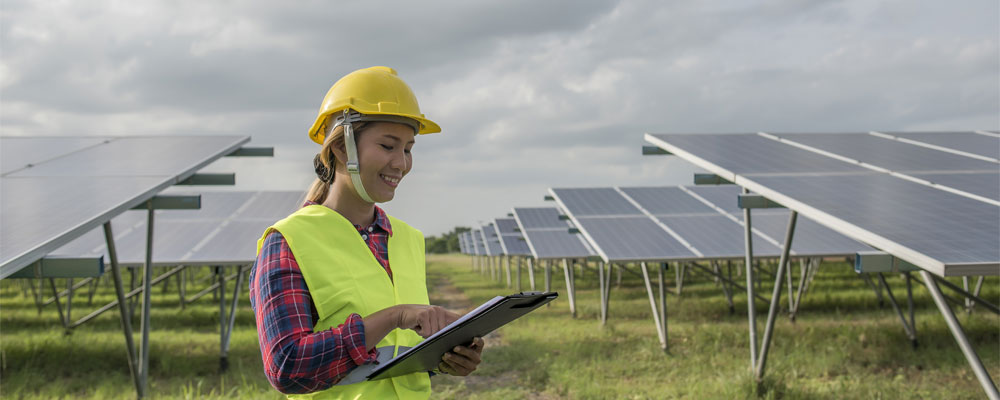
Proper system design and installation are important for safety, efficiency, and long term performance.
Hybrid Solar Energy System in Chhattisgarh and Odisha
For homes and businesses in Chhattisgarh and Odisha, solar energy can be a practical way to reduce dependence on conventional electricity. A hybrid system can be particularly useful for customers who want both solar savings and backup power.
UrjaCon provides solar solutions for residential, commercial, and industrial requirements, including rooftop solar systems, solar EPC services, installation, maintenance, and subsidy guidance.
If you are considering a hybrid solar energy system, a professional assessment can help determine the appropriate solar capacity, battery size, and overall system configuration for your property.
Conclusion
A hybrid solar energy system combines solar generation, battery storage, and grid electricity to provide a flexible energy solution. It can help reduce electricity costs, improve energy independence, make better use of excess solar power, and provide backup electricity during outages.
For homeowners and businesses considering solar installation, a properly designed hybrid solar system can be a valuable long term investment.