Hybrid Rooftop Solar System: Benefits, Working & Installation
A hybrid rooftop solar system combines solar panels with battery storage and the electricity grid to provide reliable, efficient, and flexible power. Unlike a traditional on grid solar system, a hybrid system can store excess solar energy and use it when sunlight is unavailable or during power cuts.
For homeowners and businesses looking to reduce electricity costs while maintaining backup power, a hybrid rooftop solar system can be a practical solar energy solution.
What Is a Hybrid Rooftop Solar System?
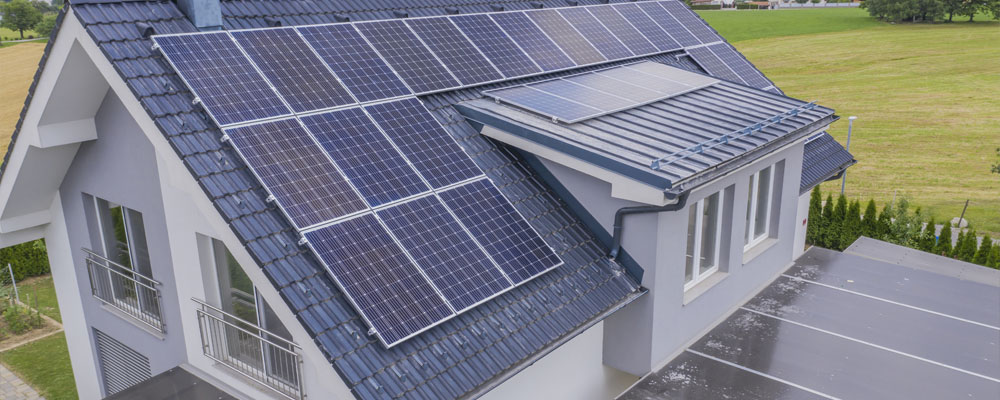
A hybrid rooftop solar system generates electricity from solar panels installed on the roof. The solar energy is first used to power appliances and equipment. Excess electricity can be stored in batteries for later use.
When solar power and battery power are insufficient, the system can automatically draw electricity from the grid.
The basic working process is:
Solar Panels → Hybrid Inverter → Home/Business Loads + Battery Storage → Grid Backup
This combination provides both solar energy generation and energy storage in a single system.
How Does a Hybrid Rooftop Solar System Work?
A hybrid rooftop solar system typically includes four major components:
1. Solar Panels
Solar panels convert sunlight into DC electricity. The amount of electricity generated depends on factors such as system capacity, sunlight availability, roof orientation, shading, and panel efficiency.
2. Hybrid Solar Inverter
The hybrid inverter manages electricity from the solar panels, battery, and grid. It converts DC electricity into AC electricity that can be used by household appliances and business equipment.
3. Battery Storage
The battery stores surplus solar electricity generated during the day. This stored energy can be used during the evening, at night, or during a power outage, depending on the system configuration.
4. Grid Connection
The electricity grid acts as an additional power source when solar generation and battery capacity are not sufficient.
Key Benefits of a Hybrid Rooftop Solar System
Reduced Electricity Bills
Solar energy can reduce dependence on grid electricity and help lower electricity expenses over time.
Backup During Power Cuts
With appropriate battery capacity and system configuration, a hybrid solar system can supply selected essential loads during power interruptions.
Better Use of Solar Energy
Instead of sending all excess solar electricity away, surplus generation can be stored in the battery and used later.
Greater Energy Independence
Combining solar generation, battery storage, and grid power provides multiple sources of electricity and can reduce dependence on a single power source.
Suitable for Homes and Businesses
Hybrid rooftop solar systems can be designed for residential properties, offices, shops, schools, commercial buildings, and other facilities based on their electricity requirements.
Hybrid Rooftop Solar System vs On Grid Solar System
| Feature | Hybrid Solar System | On Grid Solar System |
|---|---|---|
| Solar Panels | Yes | Yes |
| Battery Storage | Yes | Usually no |
| Grid Connection | Yes | Yes |
| Power Backup | Possible | Generally unavailable during grid outages |
| Excess Solar Storage | Yes | Usually exported to grid |
| Energy Independence | Higher | Moderate |
| Initial Investment | Higher | Generally lower |
The right option depends on electricity consumption, power backup requirements, available roof space, budget, and local grid conditions.
Is a Hybrid Rooftop Solar System Suitable for Your Property?
A hybrid rooftop solar system can be particularly useful if you:
- Experience frequent power interruptions
- Want to use solar energy after sunset
- Have important appliances or equipment that need backup
- Want to reduce your dependence on grid electricity
- Have suitable rooftop space for solar panels
- Want to combine renewable energy generation with battery storage
Before installation, a professional assessment should consider your electricity consumption, connected load, roof condition, available space, shading, and backup requirements.
Choosing the Right Hybrid Solar System
The size of a hybrid rooftop solar system should not be selected only according to roof size. It should be based on your actual electricity requirements.
Important factors include:
Daily electricity consumption: Understand how much electricity your property uses.
Peak load: Identify appliances and equipment that operate simultaneously.
Backup requirement: Decide which loads need to operate during a power cut.
Battery capacity: Determine how long essential equipment needs backup power.
Roof area: Check whether sufficient shadow free roof space is available.
Future requirements: Consider potential increases in electricity consumption.
Hybrid Rooftop Solar for Homes and Businesses
For residential properties, a hybrid system can support essential household appliances such as lights, fans, refrigerators, Wi Fi routers, and other selected loads.
For commercial and industrial users, the system can be designed around critical equipment and operating requirements. Businesses can use stored solar energy during suitable periods to improve energy management and reduce reliance on grid electricity.
Professional Hybrid Rooftop Solar Installation
Installing a hybrid rooftop solar system requires proper system sizing, equipment selection, electrical planning, installation, and commissioning. A professional solar company can assess your property and recommend a configuration based on your energy requirements.
UrjaCon Infratech Pvt Ltd provides solar solutions for residential and commercial requirements, including rooftop solar installations and project support.
Conclusion
A hybrid rooftop solar system offers a combination of solar power, battery storage, and grid electricity. It can help property owners make better use of renewable energy while providing an additional source of backup power.
If your priority is lower electricity dependence, solar energy storage, and reliable power availability, a hybrid rooftop solar system may be worth considering. A professional site assessment can help determine the appropriate solar capacity, inverter size, and battery storage for your property.